What would you do to create the perfect product? How about take 5 flights, canoe for 5 hours
through the Amazon, and then trek 15 kilometers through the Bolivian
jungle? That is what it takes just to
get the raw cacao for Oialla chocolate.
And we haven’t even started to discuss production yet. And Rasmus Bo Bojesen, the owner of Oialla
and chocolatier, will not settle for less.
 This all started a few years ago when Rasmus’ wife asked him
one morning why
This all started a few years ago when Rasmus’ wife asked him
one morning why
So when his wife asked about making organic chocolate, Rasmus’
response was “Three reasons. Taste. Taste. And Taste.” At that time organic cacao beans had a reputation
for poor quality. The supply of organic
cacao was extremely limited and not consistent. But the couple was up for the
challenge. They talked with friends and
colleagues, including an agriculture professor nearby that suggested that the
cacao they were searching for may exist in the wild and only in the jungles of
Bolivia. After a lot of research, a
small protected area was located that had virtually untouched cacao trees around
Baures in the Beni region of Bolivia. And
they weren’t exporting the beans.
 This is where the 5 flights, 5 hours canoeing, and 15 km
hike come in. There was no assurance
that Bolivia would have the quality of beans that Rasmus demanded. In fact, he didn’t have proof that this raw
material even existed. First, Rasmus met with locals who worked with Bolivian
wild cacao harvesters. He then went to the sites to taste the beans and meet
the workers. He was surprised by what he
found, an impressive bean with no acidity and bitterness that is usually
associated with raw cacao. He had found
his bean. And it doesn’t get more
organic. These trees have not been
cultivated, fertilized, or treated with herbicides. The pods that are produced
are about half the size of traditional pods, but hold much better flavor. These are among the few beans that I have
tasted that are not bitter. They have a
solid cacao flavor without the harsh aftertaste.
This is where the 5 flights, 5 hours canoeing, and 15 km
hike come in. There was no assurance
that Bolivia would have the quality of beans that Rasmus demanded. In fact, he didn’t have proof that this raw
material even existed. First, Rasmus met with locals who worked with Bolivian
wild cacao harvesters. He then went to the sites to taste the beans and meet
the workers. He was surprised by what he
found, an impressive bean with no acidity and bitterness that is usually
associated with raw cacao. He had found
his bean. And it doesn’t get more
organic. These trees have not been
cultivated, fertilized, or treated with herbicides. The pods that are produced
are about half the size of traditional pods, but hold much better flavor. These are among the few beans that I have
tasted that are not bitter. They have a
solid cacao flavor without the harsh aftertaste. Social entrepreneurship
When asked about gaining the trust of the Bolivian farmer, Rasmus shook his head. “There are no farmers. There are no farms. This is the jungle.” Trust was a big deal. After working with the beans, he found that the fermenting and roasting process needed a small change. However, this change flew in the face of what had been done by the locals for generations. Thus, the relationship with the workers was critical to success. Additionally, the chocolate industry is notorious for the obscene use of child and slave labor. Since the location was deep in the jungle, it would have been easy for a company to come in and exploit those who live there. Oialla now works with the Danish Foreign Ministry to set and ensure high standards for working conditions.
Innovation

 Working with these beans has not been easy. As I mentioned
earlier, the pods are smaller and the beans have a different flavor than
traditional beans. This cacao also has
more cocoa butter. Thus, the traditional
ways of making chocolate did not work.
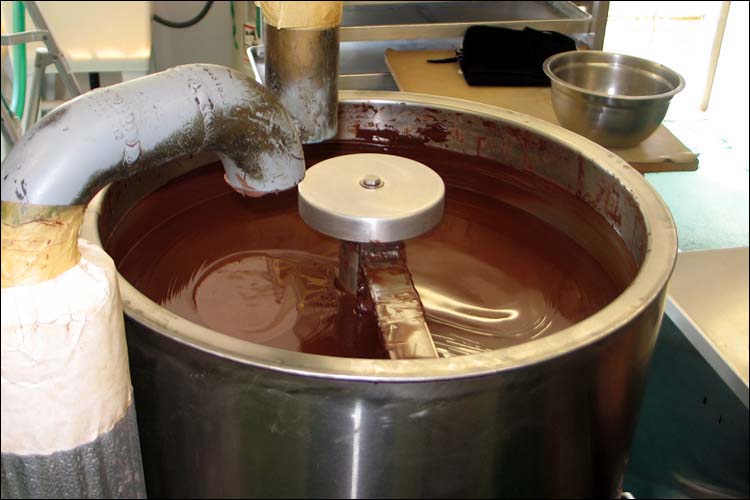
New recipes needed to be perfected before products were ready. Initial products were launched in 2010 and in
less than a year, Oialla won an award from the “Academy of Chocolate.” Later in 2011, they won the Gold in Great
Taste Awards. In 2012, Rasmus was
invited to a small conference with the most talented chocolate makers in the
world. Although impressed with Oialla, a
colleague asked why he didn’t get the entire flavor from the bean. Puzzled, Rasmus went back to the kitchen and
spent almost a year refining the manufacturing process. He says that he now understands what his
colleague meant. The 78% chocolate now
has a fuller flavor that captures more of the nuances of the Beniano
beans.
Working with these beans has not been easy. As I mentioned
earlier, the pods are smaller and the beans have a different flavor than
traditional beans. This cacao also has
more cocoa butter. Thus, the traditional
ways of making chocolate did not work.
New recipes needed to be perfected before products were ready. Initial products were launched in 2010 and in
less than a year, Oialla won an award from the “Academy of Chocolate.” Later in 2011, they won the Gold in Great
Taste Awards. In 2012, Rasmus was
invited to a small conference with the most talented chocolate makers in the
world. Although impressed with Oialla, a
colleague asked why he didn’t get the entire flavor from the bean. Puzzled, Rasmus went back to the kitchen and
spent almost a year refining the manufacturing process. He says that he now understands what his
colleague meant. The 78% chocolate now
has a fuller flavor that captures more of the nuances of the Beniano
beans. The product
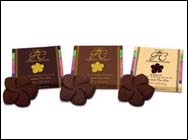
When I visited Oialla, I was offered a beautiful tray of chocolate to taste, first the solid wafers and then the truffles and nuts. Bottom line - Oialla chocolate is so good that I actually felt guilty eating it. There were so many wonderful choices. Now, I wish that I had taken the whole plate, thrown it in my bag and ran out with the treasures. I knew that you could buy the chocolate wafers, but now I find out that the truffles and other chocolates are not sold. Cruel cruel world. At first, Oialla was produced as 72% and 78% dark chocolates
(percent of cacao solids). They just
started producing a 46% milk chocolate.
Although chocolate snobs often look down at the lighter versions of
chocolate, this milk is for the connoisseur. Rasmus made a subtle, but genius
change to the manufacturing process that takes this milk chocolate to another
level. I can’t tell you the secret, but it is brilliant.
At first, Oialla was produced as 72% and 78% dark chocolates
(percent of cacao solids). They just
started producing a 46% milk chocolate.
Although chocolate snobs often look down at the lighter versions of
chocolate, this milk is for the connoisseur. Rasmus made a subtle, but genius
change to the manufacturing process that takes this milk chocolate to another
level. I can’t tell you the secret, but it is brilliant. Recipe for success: Passion
What does every entrepreneur need? Passion. Everywhere you
turn, people who are talking about successful entrepreneurs talk about
passion. But, what is passion? The dictionary uses synonyms such as intense,
driving, overwhelming conviction, strong desire, and enthusiasm.